- Former white-ball batting coach focuses on HM Method, international education programs and plans for a high-performance center in Hyderabad
Brisbane, 2 August 2026:
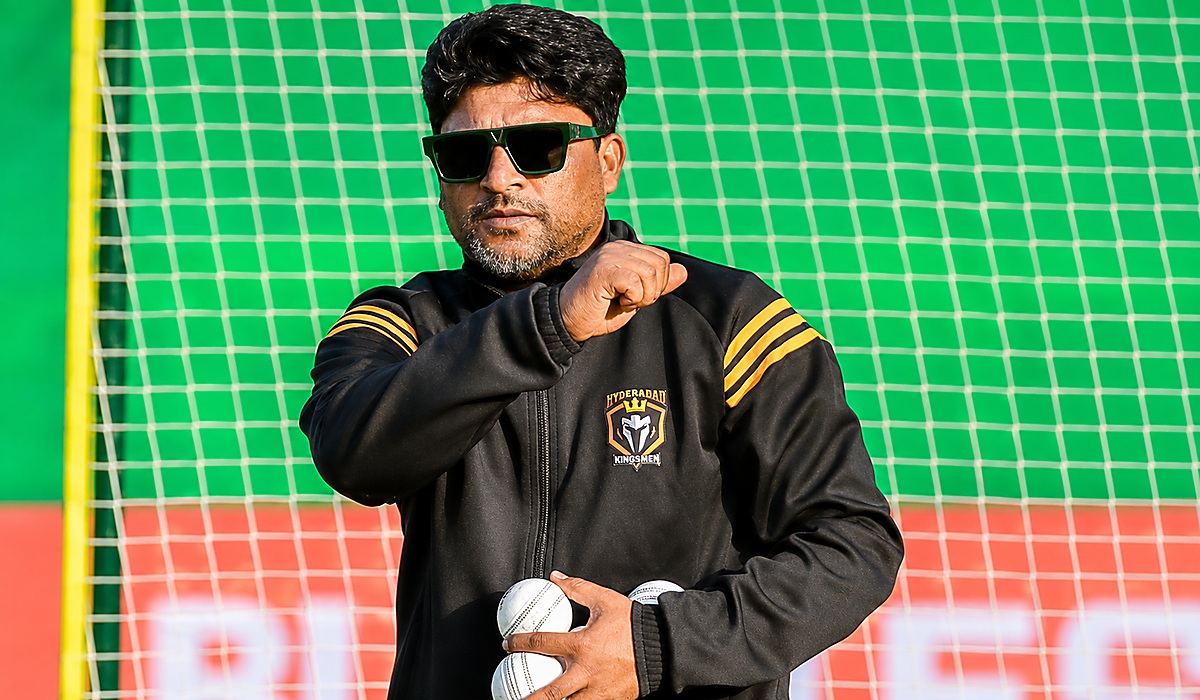
Hanif Malik does not describe his departure from the Pakistan men’s cricket team as an ending. For the former white-ball batting coach, it was a decision to return to an idea he believed could influence Pakistani cricket beyond the boundaries of a single dressing room.
45-year-old Hanif stepped down to devote more time to HM Method, a cricket operating system he is developing to connect player development, coaching, infrastructure, high performance and technology.
“When I joined the Pakistan team, the understanding was that I would work with the side for a year and continue until the World Cup,” Hanif told Criczone.com.au in an exclusive interview.
“However, I eventually felt that my own learning and development process had stopped. I had also created HM Method and I wanted to dedicate more time to building that system. That was one of the main reasons I decided to leave.”
Hanif joined Pakistan’s white-ball coaching staff after years of work in domestic and development cricket, including an extended period with Pakistan Super League franchise Islamabad United.
His time with the national team gave him access to international players, coaches and high-performance environments, but he said his long-term ambition required him to step outside the structure.
“To achieve anything and build a successful team, you need a clear process and a defined approach,” Hanif said.
“I learned a great deal while working with the Pakistan team. I received significant international exposure through the coaching group. It was a highly intelligent and experienced group and working with those coaches helped me evolve and look at the game in a different way.”
Building the HM Method
Hanif described HM Method as a broader developmental structure rather than a conventional coaching programme.
The concept is intended to address several parts of a cricket system, including the education of players and coaches, the design of high-performance environments, the use of technology and the infrastructure required to support long-term development.
Hanif said remaining connected to Pakistan and establishing the system there are among his leading priorities.
“For me, staying in Pakistan and building HM Method and a high-performance structure are extremely important,” he said. “Building something meaningful takes time.
“I want to create a system for players, coaches, infrastructure, high performance and technology. It cannot be developed overnight.”
Hanif said his approach places decision-making, adaptability and personal development alongside traditional technical coaching.
“Players can have a great deal of skill, but cricket also demands game intelligence,” he said. “The player has to understand the situation, make decisions and adapt quickly.
“You also have to develop mental toughness, professionalism and character. Those qualities influence how a player performs when the pressure increases.”
International work after Pakistan
Since leaving the national team, Hanif said he has continued working across several high-performance environments.
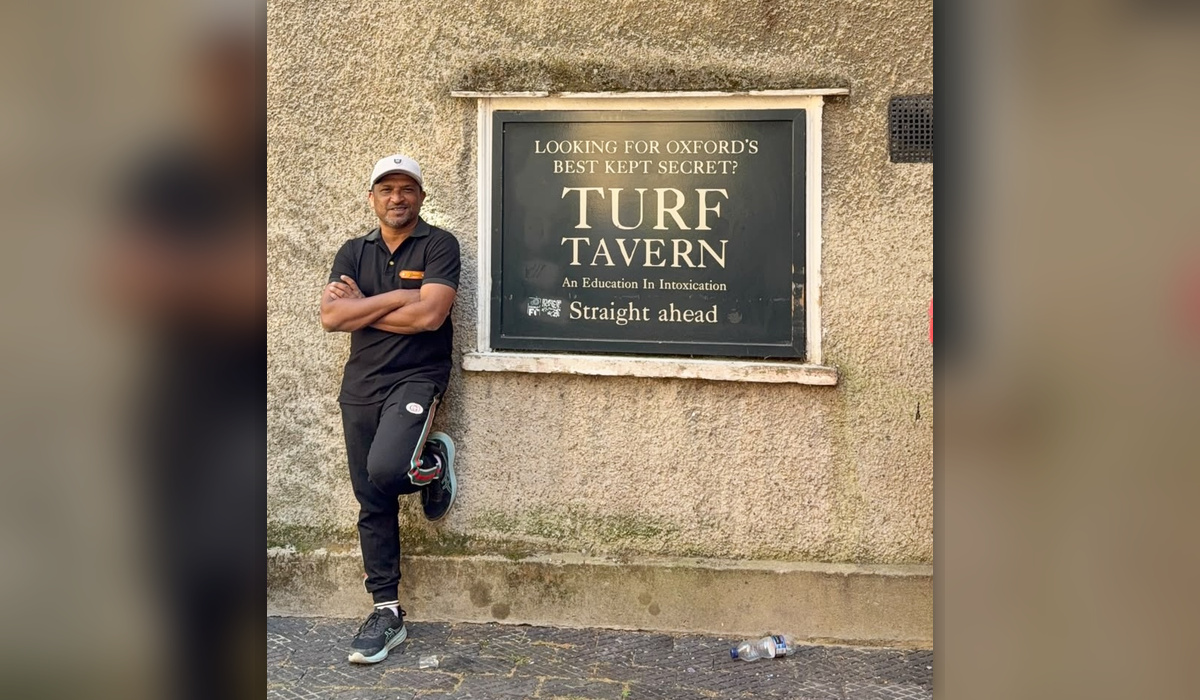
He said he has completed five sessions in Oxford as a high-performance architect and is currently involved with Jamaica Kingsmen during the Caribbean Premier League.
“After leaving the Pakistan team, I began working as a high-performance architect in Oxford,” Hanif said. “I completed five sessions there and I am now at the CPL.”
Hanif said he is scheduled to conduct 10 sessions at Stanford University following the CPL.
He also said he has received an offer to work with another international team but has not disclosed the identity of the side or whether he intends to accept the position.
“Yes, I have received an offer from an international team,” Hanif said. “But staying connected to Pakistan and continuing to build HM Method and high performance there are very important to me.”
Hanif said his decision will be guided by whether a future role allows him to continue developing his wider project.
High-performance centre planned for Hyderabad
A central part of Hanif’s next chapter is the development of a high-performance centre in Hyderabad, his hometown.
Hanif said he will serve as centre’s performance director and help establish its coaching and player-development structure.
“We are building a high-performance centre in Hyderabad and I will be the performance director,” he said.
“The objective is to establish a proper system that helps players develop technically, mentally and professionally.”
Hanif believes Hyderabad and other regional cricket centres in Pakistan possess considerable playing talent but need more consistent structures to guide players from junior and club cricket toward the professional game.
His proposed model would combine cricket coaching with education in game awareness, physical preparation, mental resilience and professional behavior.
“We do not want to keep players limited to skill,” Hanif said. “Of course, they must work on batting, bowling and fielding, but we also want to work on their life skills, mental toughness and character.
“That professionalism is what young players need if they want to compete anywhere in the world.”
Lessons from Islamabad United and Hyderabad Kingsmen
Before joining Pakistan’s national coaching setup, Malik spent a good amount of years working with Islamabad United.
He later served as batting coach with Hyderabad Kingsmen, helping the team reach a final despite limited expectations when its squad was assembled.
Hanif said that experience reinforced his belief that team identity and collective effort can sometimes be more influential than individual reputations.
“When the Hyderabad Kingsmen team was formed, very few people believed in us,” he said. “People did not know who the captain would be or how the squad would come together.
“Our mindset was clear. We wanted to play aggressive, dominant cricket. We wanted to combine street-smart cricket with professional execution.”
The organisation’s leadership, Hanif said, encouraged the players to focus on effort, intent and competitiveness rather than becoming consumed by results.
“We did not want to become obsessed with whether we won or lost,” he said. “Our priority was to give our best effort and make sure the opposition knew it had been involved in a serious contest.”
Hyderabad Kingsmen eventually reached the final, an achievement Hanif attributes to the team’s shared belief.
“I would not say we reached the final purely because of our skills,” he said. “Our effort, attitude, approach and belief in one another took us there.”
Applying national-team lessons at home
Hanif said he now wants to combine the knowledge acquired through Pakistan, Islamabad United, the Kingsmen organisation and his international work into a structure that can be applied consistently in Pakistan.
Rather than coaching only the player in front of him, Hanif wants to develop a system capable of educating future players, coaches and high-performance specialists.
His next move could include another international appointment, but his priority remains creating something sustainable in Hyderabad and across Pakistan.
“My time with the Pakistan team gave me international experience and helped me grow as a coach,” Hanif said. “Now I want to apply that learning in a new way.
“The objective is not only to prepare someone for the next match. It is to build players, coaches and an environment that can continue developing for years.”